
Missed spots are a thing of the past. With UVD, you get 360° disinfection that reaches every hidden corner.
Not anymore! Unlike traditional disinfectants, UVD uses light for disinfection. No harmful chemicals, just a clean, eco-friendly environment.
UVD slashes disinfection time, finishing the job in minutes. It's faster, it's efficient, and it's perfect for high-demand areas.
But not with UVD. Its hands-free, automated technology removes human error from the equation, keeping everything and everybody safe and hygienic.
No matter the room or space, UVD delivers the same high standard of disinfection every time. You can count on it.
Healthcare-associated infections (HAIs) affect 1 in 10 patients worldwide, especially in critical care areas and in low- to middle-income countries. The rise in drug-resistant organisms has made these infections more dangerous, increasing risks for patients and placing a heavy strain on healthcare systems.
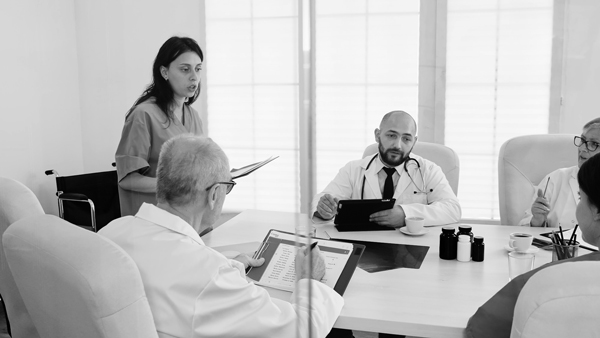
Methicillin-resistant Staphylococcus aureus (MRSA) is one of the most dangerous drug-resistant HAIs, claiming over 11,000 lives annually, per CDC data. As MRSA becomes more resistant, traditional cleaning methods are struggling to keep up.
HAIs commonly spread through contact with contaminated hands, surfaces, or medical devices. They can also be transmitted through respiratory droplets during patient interactions.
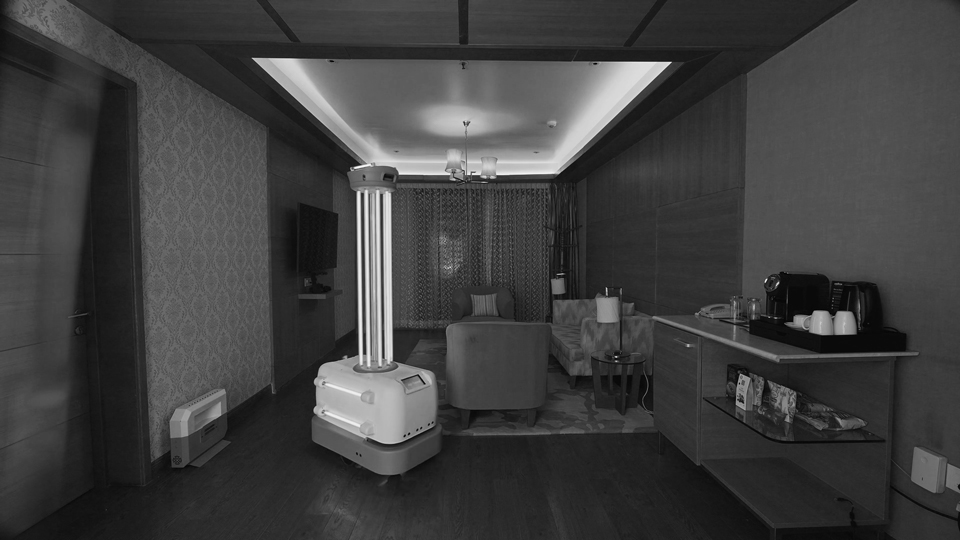
Our AI-powered Spotbots use advanced UVC technology to deliver thorough, chemical-free disinfection, reaching even hidden areas. By minimizing human error and cross-contamination, Spotbots enhance safety and infection control in healthcare settings.
Contact Time: 30 seconds to 1 minute
Environment: General use, healthcare settings
Contact Time: 30 seconds to 1 minute
Environment: Healthcare settings, laboratories
Concentration: 0.1% (1000 ppm) for general disinfection, 0.5% (5000 ppm) for high-level disinfection
Contact Time: 5 to 10 minutes
Environment: Healthcare, household, industrial
Concentration: 3-6%
Contact Time: 1 to 5 minutes
Environment: Healthcare settings, household
Concentration: Follow the manufacturer’s recommendations
Contact Time: 3 to 10 minutes
Environment: Healthcare, commercial, food service
Concentration: 0.2-0.3%
Contact Time: 5 minutes
Environment: Healthcare, food industry
Concentration: Follow the manufacturer’s recommendations
Contact Time: 1 to 10 minutes
Environment: Water treatment, healthcare, food processing
Concentration: Follow the manufacturer’s recommendations
Contact Time: 10 minutes
Environment: Healthcare, laboratories
Safety starts with effective disinfection! Our easy-to-read table below reveals essential details about common disinfectants, their contact times, and the best environments for their use. This knowledge empowers you to make informed choices for a cleaner space. Plus, at Spotless AI, we elevate traditional methods with our cutting-edge technology, delivering powerful, chemical-free sanitization that ensures safety and effectiveness in every setting. Dive in and discover how to keep your environment spotless!
In healthcare settings, fogging and fumigation are commonly used methods to maintain sterile environments. Fogging involves creating a fine disinfectant mist to coat surfaces, while fumigation fills entire spaces with gas to eliminate pathogens. A chemical often used in this process is Formalin—a formaldehyde-based solution known for its strong disinfectant properties. However, its widespread use hides significant risks.
Here's how:
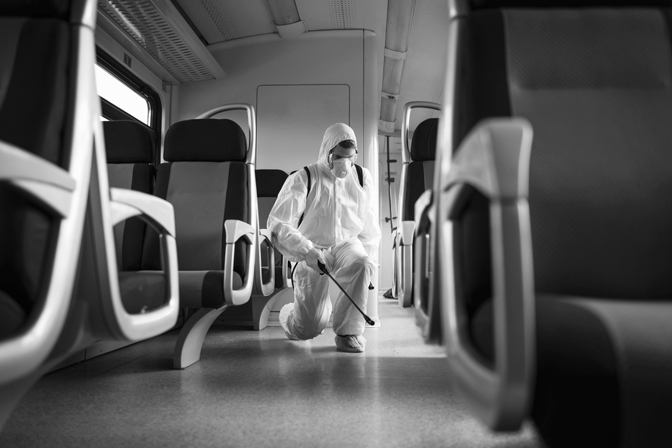
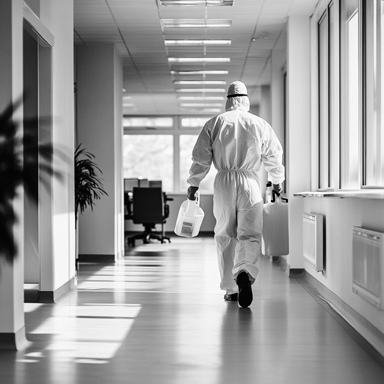
A Toxic Legacy: While formalin has been trusted for its ability to kill germs, it also releases toxic fumes that pose serious health risks.
Carcinogenic Dangers: Classified as a carcinogen, formalin exposure can lead to cancer. Short-term exposure irritates the eyes, throat, and respiratory system, while prolonged exposure increases these risks.
Global Rejection: Due to its dangers, formalin has been banned in hospitals and labs in many countries, but it is still used in some Indian facilities due to its low cost.
Awareness on the Rise: Growing awareness of formalin’s dangers is driving the healthcare sector toward safer, non-toxic alternatives.
To tackle the risks associated with traditional disinfectants like formalin, our AI-powered Spotbots offer an innovative approach with advanced UVC technology. Delivering thorough, chemical-free disinfection, Spotbots reach even the most hidden areas. By reducing human error and eliminating cross-contamination, Spotbots set a new standard for safety and infection control in healthcare settings.

Email Address: info@spotless.ai
Phone Number: +44 7765 221740
Address: E - Innovation Centre Telford Innovation Campus, Priorslee, Telford, Shropshire, England, TF2 9FT


